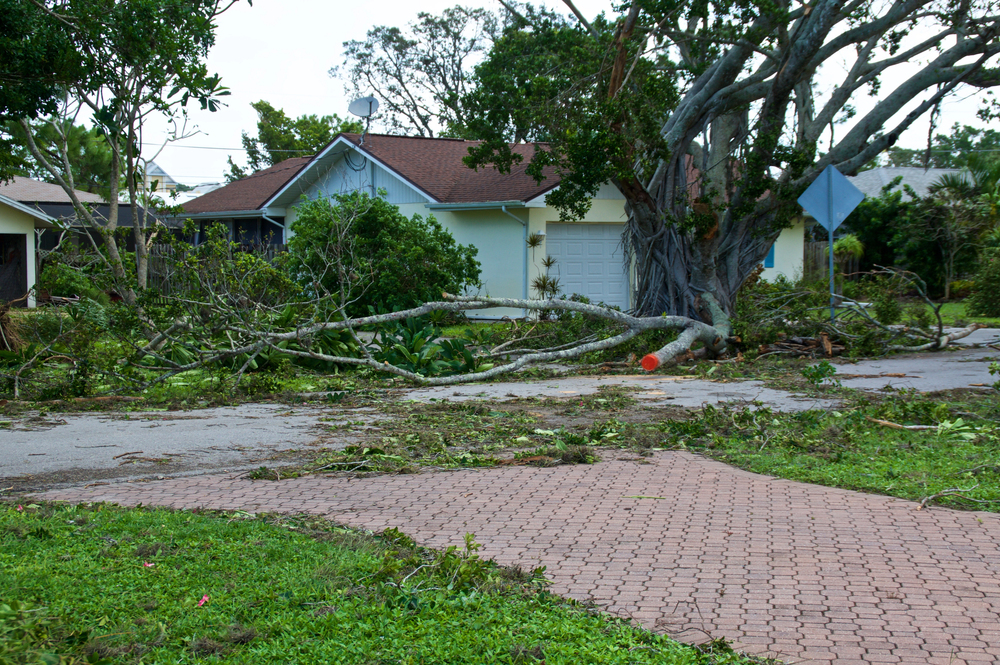
Stuart, FL is no stranger to powerful hurricanes, and every time one comes through, we learn afresh how vulnerable standard windows can be to high winds and flying debris. Hurricane impact windows are a must here, and there are certain things you’ll need to look for to ensure you’ve got windows that will handle whatever Mother Nature throws at the Sunshine State.
What Should You Look For in Hurricane Impact Windows in Stuart, FL
Read the rest of this entry »
When a big storm heads your way, windows are the weak spot. Flying debris can smash regular glass and let wind and rain inside to wreck everything. Both impact windows and shutters can shield your home, but how do you choose what’s best in Stuart, FL?
Read the rest of this entry »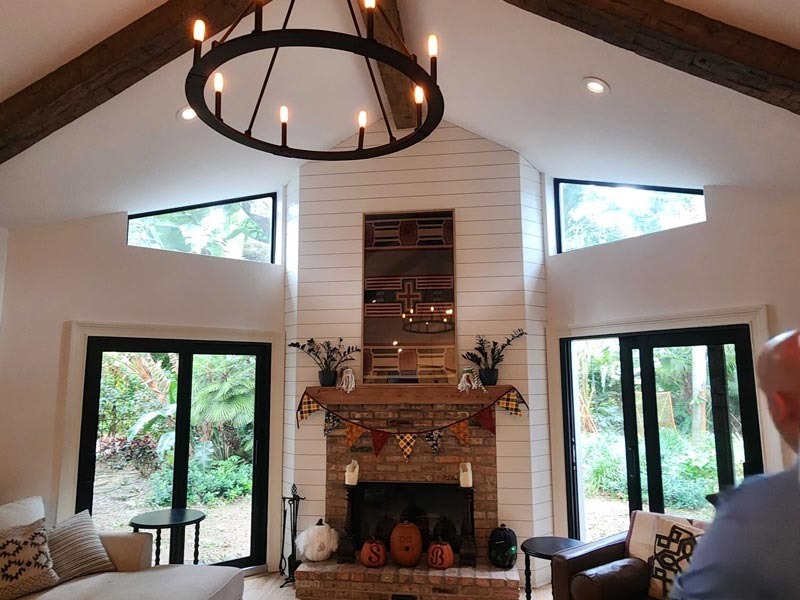
At Liberty Impact Windows and Doors in Stuart, FL, our work doesn’t end when the new window or door is set in place. Our installation is the main part of the process, but what truly completes the project is the finish work around it. Every window or door deserves a professional, seamless look that matches your home’s interior and exterior design.
Once the new frame is secure, we handle everything that follows — sealing, insulating, trimming, and painting — so the finished product looks like it’s always belonged there.
Precision Trim and Finish Work
Read the rest of this entry »Installing new windows is one of the best ways to improve your home’s energy efficiency, security, and overall appearance. Whether you’re replacing old windows or upgrading to impact-rated options, understanding the window installation process helps ensure a smooth experience from start to finish.
Here’s a simple, step-by-step overview of what to expect before, during, and after your window installation.
Getting Started Before Installation:
- Develop a plan to ensure the safety of children and pets. Inspect for any potential hazards such as curtains or furniture that could pose a risk.
- Have blinds down and furniture moved 3 feet from each opening.
Installation Day:
- Walk through your home with the installation team and discuss any specific requirements or preferences you have.
- Be available for inspections.
After Installation:
- Ensure the area is clean and orderly before the installation crew leaves.
- Request a demonstration of how your new windows function.
- Depending on your county, there might be a delay to close up windows and doors until passing.
- Do not operate windows until screw covers are in place.
Trust the Pros at Liberty Impact Window & Doors
At Liberty Impact Window & Doors, we make the installation process as smooth and stress-free as possible. As Treasure Coast’s premier window and door company, we proudly feature ES Windows and Doors, installed by professionals who prioritize your safety, satisfaction, and peace of mind.
Living in Florida means being prepared for hurricane season is essential. Whether you’re a homeowner, renter, or someone with special needs, having a solid hurricane preparedness plan can make all the difference. This Hurricane Preparedness Checklist is designed to help all Floridians, including individuals with disabilities or special medical needs, take the necessary steps to stay safe before, during, and after a storm.
Hurricane Preparedness Checklist
Medication Requirement: All Floridians should take some basic steps to plan for their personal and family needs and protection in case of a disaster or emergency. Individuals with disabilities or special needs often face unique challenges that require more detailed planning.
- Form Your Personal Support Network:
- Give at least one trusted member of your Personal Support Network a key to your house or apartment.
- Show members of your support group where you store your emergency kit and explain what is included.
- Have at least three or more people in your network.
- Arrange for more than one person in your Personal Support Network to check on you in an emergency.
- Teach caregivers, Personal Support Network members, and anyone who may assist you in an emergency how to operate necessary equipment .
- Complete a Personal Assessment:
- Make a list of your personal needs and your resources for meeting them in a disaster environment. This should include daily living needs such as personal care/personal care equipment, adaptive feeding devices, and electricity-dependent equipment.
- Get Educated, Get Informed:
- Know the specific hazards that threaten your community (hurricanes, tornadoes, wildfires, etc.).
- Learn about community disaster plans and community warning systems.
- Learn your community’s evacuation routes.
- Register with Your Local/County Emergency Management Office.
- Prepare an Emergency Kit.
- Considerations for People with Disabilities/Special Needs:
- Contact your physician to discuss emergency planning.
- Know how to connect and start a back-up power supply for essential medical equipment.
- If you use an electric wheelchair or scooter, have a manual wheelchair as a back-up.
- Label medical equipment, assistive devices, and any other necessary equipment and attach laminated instructions for equipment use. Also include your identification information.
- Store back-up equipment (mobility, medical, etc.) at an alternate location (friend’s, family member’s, neighbor’s, or caregiver’s home, school, or workplace).
- If you have visual/sensory disabilities, plan for someone to convey essential emergency information to you if you are unable to use the television or radio.
- If you use a personal care attendant from a home healthcare agency, check to see if the agency has special provisions for emergencies (i.e., providing services at another location should an evacuation be ordered).
- If you live in an apartment, ask the management to identify and mark accessible exits and access to all areas designated for emergency shelter or safe rooms.
- Have a cell phone with an extra battery.
- Learn about devices and other technology available to assist you in receiving emergency instructions and warnings from local officials.
- Consider getting a medical alert system that will allow you to call for help if you are immobilized in an emergency.
- Have a Plan for Your Pets.
- Utilities:
- Know how and when to turn off water, gas, and electricity at the main switches and valves.
- Keep any tools you will need near gas and water shut-off valves.
- Show caregivers, personal support network members, and everyone in your household how to shut off utilities when necessary.
- Turn off utilities only if you suspect lines are damaged or if local officials instruct you to do so.
- Safety Devices:
- Be sure your caregivers and everyone in the household know where your fire extinguishers are located and how to use them.
- Install smoke alarms on every level of your home, especially near the bedrooms.
- Individuals with sensory disabilities should consider installing smoke alarms with strobe lights and vibrating pads.
- Several times a year, test your smoke alarms to ensure they are working properly.
- Insurance Coverage:
- Check with your insurance agent or carrier to make sure you have adequate insurance coverage.
- Important Records & Documents:
- Keep copies of important family records and other documents (birth and marriage certificates, Social Security cards, passports, wills, deeds, financial, insurance, medical/immunization records, and copies of current bills) in a safe deposit box or other safe location.
- First Aid/CPR & AED:
- Take first aid and CPR/AED classes (American Red Cross courses can accommodate people with disabilities – just discuss your needs when registering for the classes).
- Inventory Home Possessions:
- Make a record of your possessions – in writing or video – to help you claim reimbursement in case of loss or damage.
- Reduce Home Hazards:
- Keep the shut-off switch for oxygen equipment near your bed or chair so you can get to it quickly if there is a fire.
- Have defective electrical wiring and leaky gas connections repaired.
- Place large, heavy objects on lower shelves.
- Hang pictures and mirrors away from beds.
- Have cracks in ceilings and foundations repaired.
- Secure Water Supply:
- Store at least one gallon of water per person per day for at least three days, for drinking and sanitation.
- Consider keeping additional water supplies for any pets.
- Identify sources of water in your home that can be used in an emergency, such as ice cubes and the water heater tank.
- Food Storage:
- Store at least a three-day supply of non-perishable food.
- Choose foods that do not require refrigeration, preparation, or cooking, and use minimal water.
- Include a manual can opener with your food supplies.
- Consider any dietary restrictions or special needs of your household members.
- Keep a supply of pet food if you have pets.
- Communication Plan:
- Establish a communication plan with family and friends.
- Designate an out-of-town contact who can help coordinate information among separated family members.
- Ensure every household member knows how to send and receive emergency text messages from local authorities.
- Prepare written instructions for how to turn off utilities and operate backup power equipment, and share these with your support network.
- Keep extra batteries and a battery-powered or hand-crank radio to stay informed.
- Emergency Sheltering:
- Know the location of your nearest emergency shelter.
- Familiarize yourself with the shelter’s accessibility features, including ramps, elevators, and designated areas for people with disabilities.
- Plan for transportation to the shelter if needed, considering any special equipment or assistance you may require.
Final Thoughts on Hurricane Preparedness
Hurricanes can be unpredictable, but your response doesn’t have to be. Taking these proactive steps now can make all the difference in how well you and your loved ones weather the storm.
We’re Here for Your Hurricane Protection Needs
At Liberty Impact Window & Doors, we’re here for all your impact window needs. As Treasure Coast’s premier window and door company, we proudly feature ES Windows and Doors to help elevate and protect your property when it matters most.
Understanding window and door terminology can help homeowners make informed decisions about energy efficiency, design, and functionality. This glossary covers the most common terms used in the industry, from window types to performance ratings, so you can choose the right products for your home with confidence.
Air Infiltration The amount of air that passes through a window or door. Lower air infiltration rates indicate better energy efficiency.
Annealed Glass A basic type of glass that is cooled slowly to remove internal stresses. It is less strong than tempered glass but can be cut and worked with more easily.
Argon Gas A non-toxic gas used between window panes to improve insulation and energy efficiency by reducing heat transfer.
Awning Window A type of window hinged at the top, opening outward from the bottom to allow ventilation, even in light rain.
Bay Window A window style that extends outward from the home, typically made of three windows—a large center window with two smaller side windows angled toward the wall.
Bow Window A window style similar to a bay window but with a curved shape, typically composed of four or more windows for a more rounded look.
Cameo Window A small fixed window used as a decorative feature, often found in areas where a full-sized window is not needed.
Casement Window A window hinged on the side, allowing it to open outward like a door, providing excellent ventilation and easy cleaning.
Cladding The material that covers the exterior of a window or door frame, offering added protection from the elements and enhancing durability.
Condensation The moisture that forms when warm, humid air contacts a cooler surface, such as a windowpane. Proper window insulation and installation can help reduce condensation.
Double Glazing A type of window with two glass panes separated by a spacer, often filled with an insulating gas like argon for improved energy efficiency.
Double-Hung Window A popular window style with two operable sashes that slide vertically, allowing for ventilation from the top, bottom, or both.
Egress Window A window designed for providing an emergency exit, typically required in bedrooms and basements to meet building codes.
Energy Star® A certification indicating that a product meets energy efficiency guidelines set by the U.S. Environmental Protection Agency.
Fusion-Welded Frame A frame construction method where the corners are heat-fused, making the window or door stronger and more resistant to air and water leakage.
Gas Fill An insulating gas, such as argon or krypton, placed between window panes to improve thermal performance.
Glazing Refers to the glass in a window or door. Single glazing has one pane, double glazing has two panes, and triple glazing has three panes for added insulation.
Hurricane Impact Glass Specially designed glass with a laminated interlayer that withstands high winds and debris impact, offering extra protection for homes in hurricane-prone areas.
Insulated Glass Unit (IGU) A window unit made up of two or more panes of glass separated by a spacer and sealed to create an insulating layer, improving energy efficiency.
Krypton Gas An inert gas used as an insulating filler between panes in high-performance windows, similar to argon but offering even better thermal resistance.
Low-E Glass Glass coated with a thin layer that reflects heat while allowing light to pass through, helping to keep homes warmer in the winter and cooler in the summer.
Mullion A vertical or horizontal piece that separates window panes within a single window frame or connects multiple windows.
Muntin A decorative or functional divider placed between the glass panes to create the appearance of multiple smaller panes within a larger window, often used in traditional and colonial-style windows.
Obscure Glass Textured or frosted glass that provides privacy while still allowing light to enter a room, commonly used in bathrooms.
R-Value A measure of thermal resistance. Higher R-values indicate better insulation, which contributes to energy efficiency.
Sash The part of a window that holds the glass and can move or tilt for ventilation. Double-hung windows have two operable sashes, while casement windows have one.
Solar Heat Gain Coefficient (SHGC) Measures how well a window blocks heat from sunlight. Lower SHGC values mean less heat is transmitted, contributing to cooler indoor temperatures during hot weather.
Spacer A component used to separate the panes in an insulated glass unit (IGU). Spacers can be made from various materials and their quality can affect the window’s overall thermal performance.
Sound Transmission Class (STC) A rating that indicates how well a window reduces noise. Higher STC ratings are desirable for minimizing sound from outside.
Tempered Glass A type of safety glass that, if broken, shatters into small, less harmful pieces. It’s stronger than standard glass and is often required by building codes for doors and windows near floors.
Triple Glazing A window with three panes of glass, often filled with gas, offering superior insulation and energy efficiency.
U-Factor A measurement of how well a window insulates. Lower U-factors indicate better insulation and energy efficiency.
Vinyl Clad A type of window or door frame made with vinyl on the exterior for added durability and weather resistance.
Weatherstripping Material applied around windows or doors to seal gaps, reducing air infiltration and increasing energy efficiency.
Window Frame The structure that surrounds and supports the entire window system. Frames can be made from various materials including wood, vinyl, aluminum, and fiberglass, each offering different levels of durability, maintenance, and insulation.
Need help choosing the right windows for your home or business?
At Liberty Impact Window & Doors, we’re here for all your impact window needs. As Treasure Coast’s premier window and door company, we proudly feature ES Windows and Doors to help elevate and protect your property. Contact us online today.



772-208-3299
257 SE Monterey Road #4469
Stuart, FL 34994